
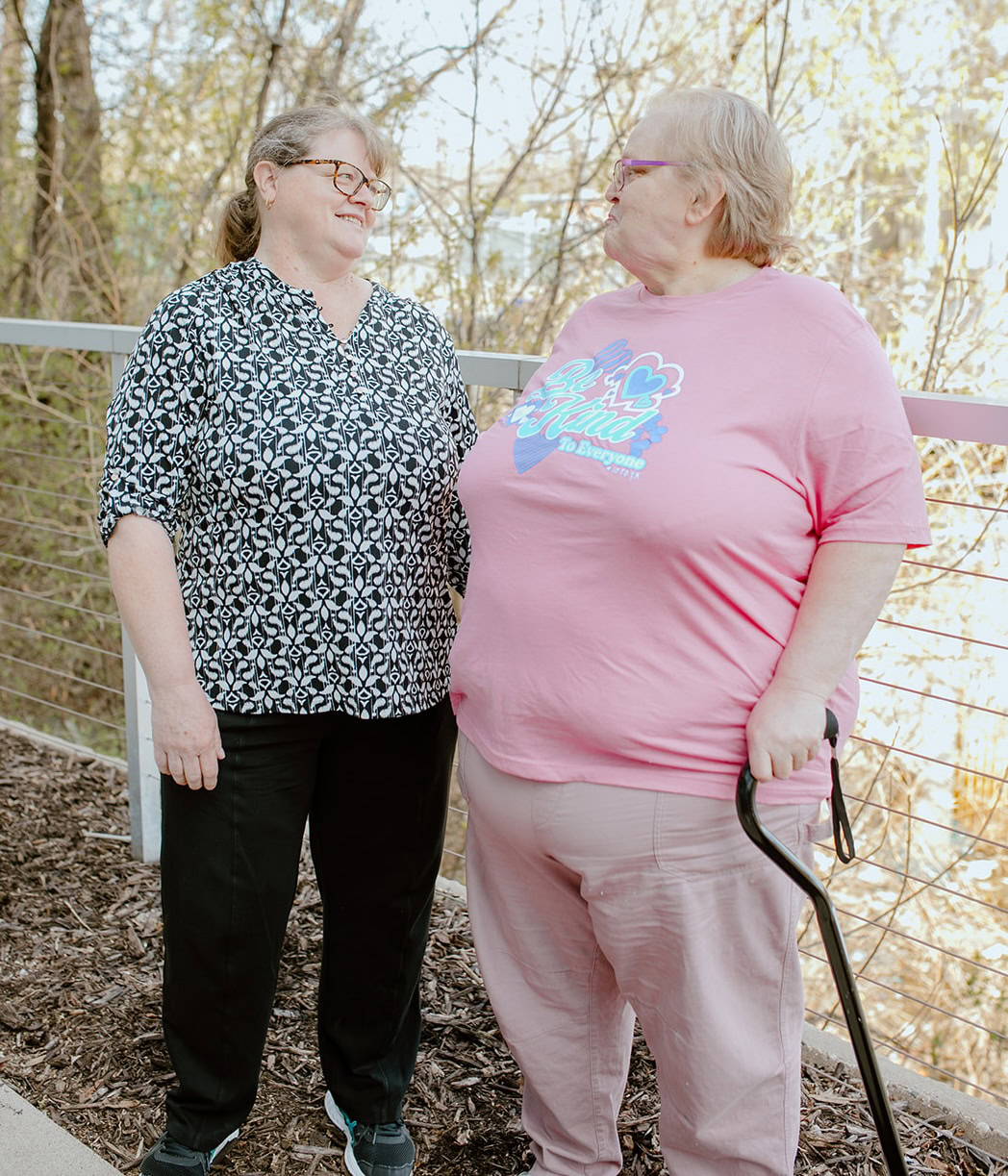
Traumatic Brain Injury (TBI) is a complex condition that affects millions of people and their families. Caused by an external force such as a fall, car accident, sports injury, or blow to the head, TBI can range from mild and temporary to severe and life-altering. While not every head injury results in a TBI, those that do can significantly impact how a person thinks, communicates, moves, and experiences the world.
Brain injuries affect individuals differently depending on the type and location of the injury. Concussions, diffuse axonal injuries, and hematomas can each interfere with how the brain communicates and processes information. Injuries to specific brain regions may impact memory, balance, vision, speech, emotional regulation, or problem-solving. Since there is such a large difference from person to person, this often means adjusting goals and expectations as well as adjusting the way you may approach certain tasks. Moreover, this also means recognizing that behaviors or struggles are neurological not intentional.
Many people with moderate to severe TBI experience slower processes times, difficulty concentrating, memory challenges, and trouble managing everyday tasks. Changes in routine, noisy environments, or complex instructions can easily become overwhelming. Emotional recovery often takes longer than physical healing, and it’s common for individuals with TBI to experience frustration, depression, or setbacks during recovery. These changes can be just as difficult for those who support them to navigate as they are for the person with the injury. As someone who may be supporting an individual with a TBI, you play a critical role in recovery and quality of life. It is important to remember that patience is key; processing information may take longer, and repetition is often necessary. Clear, supportive communication, writing things down, creating schedules, and helping prioritize tasks can greatly reduce stress. It’s also important to recognize that brain injuries are often invisible; someone may feel capable yet struggle to complete tasks independently. Celebrating small gains and acknowledging progress, no matter how incremental, can foster confidence and resilience for both the staff and the individual they support.
Remember that living with a TBI is about navigating change, but with patience, support, understanding, and compassion, you can make an incredible difference in the lives of your clients as they heal.