
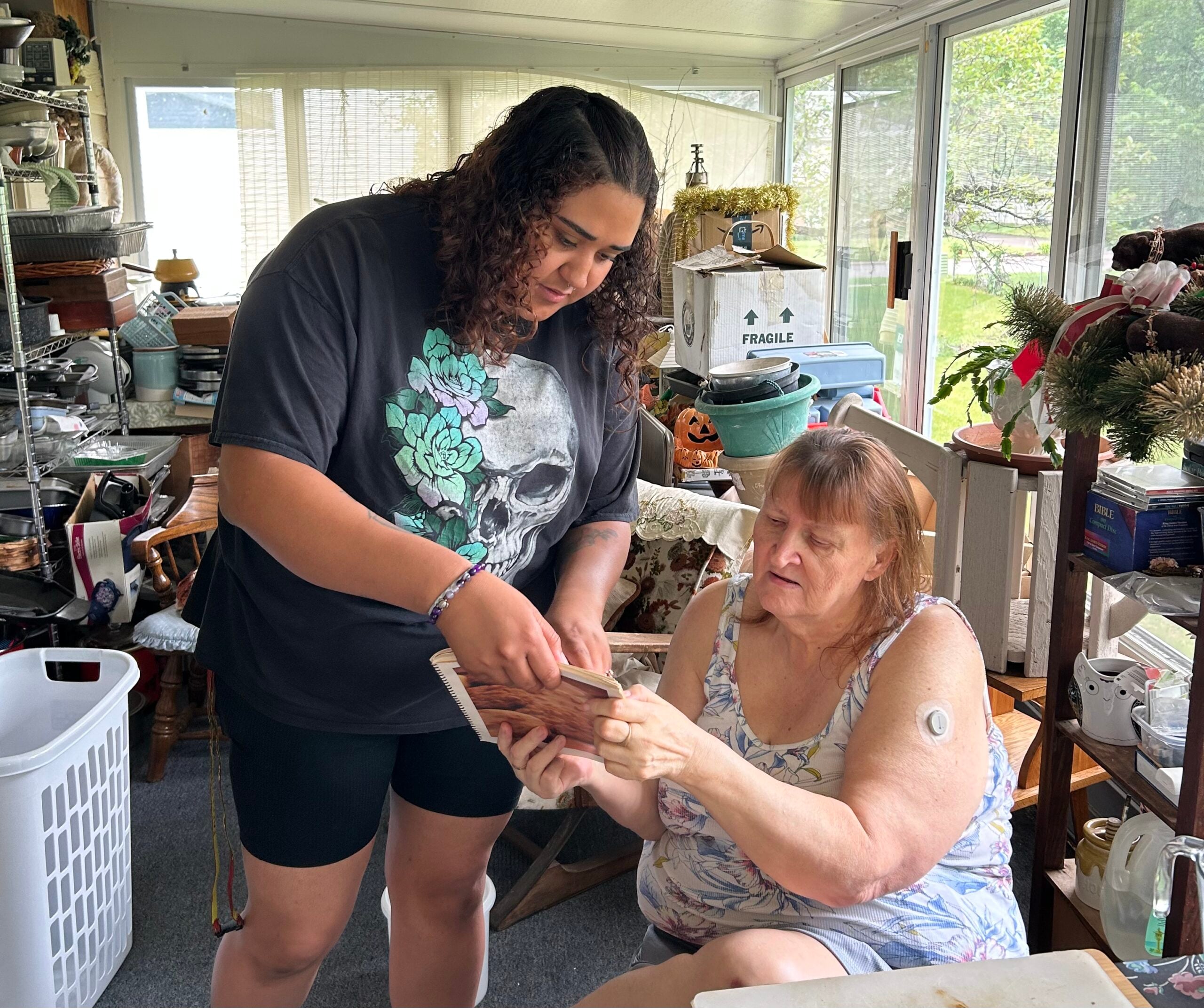
Financial exploitation is the illegal or improper use of an elderly or disabled person’s funds, property, or assets. The Securities Industry and Financial Markets Association estimates that seniors lose almost three billion dollars each year to financial exploitation. According to the National Adult Protective Services Association, most reports to Adult Protective Services involve perpetrators who are trusted by the victim, though scams are also frequently carried out by strangers.
Protecting yourself or someone you care about from financial exploitation is achievable with education and ongoing awareness. Common prevention tips include:
- Protect personal information — never share Social Security numbers, credit card details, or bank account information over the phone
- Review account statements — check regularly for accuracy and unauthorized activity
- Shred sensitive documents — especially anything containing financial or personally identifiable information
- Join the National Do Not Call Registry — reduces telemarketing calls and potential scam attempts
- Inspect point‑of‑sale devices — look for loose, damaged, or altered card readers
- Secure digital devices — use passwords, PINs, or biometric protection
- When in doubt, don’t give information out — if something feels off, stop the interaction
If you or someone you know has experienced financial fraud or exploitation, several agencies accept reports depending on the type of scam:
- Minnesota Adult Abuse Reporting Center (MAARC) — available 24/7
- Minnesota Department of Commerce Safe Seniors Financial Protection — dedicated fraud reporting line
- FBI Internet Crime Complaint Center (IC3) — for online scams
- Federal Trade Commission (FTC) — reports can be submitted online or via hotlin